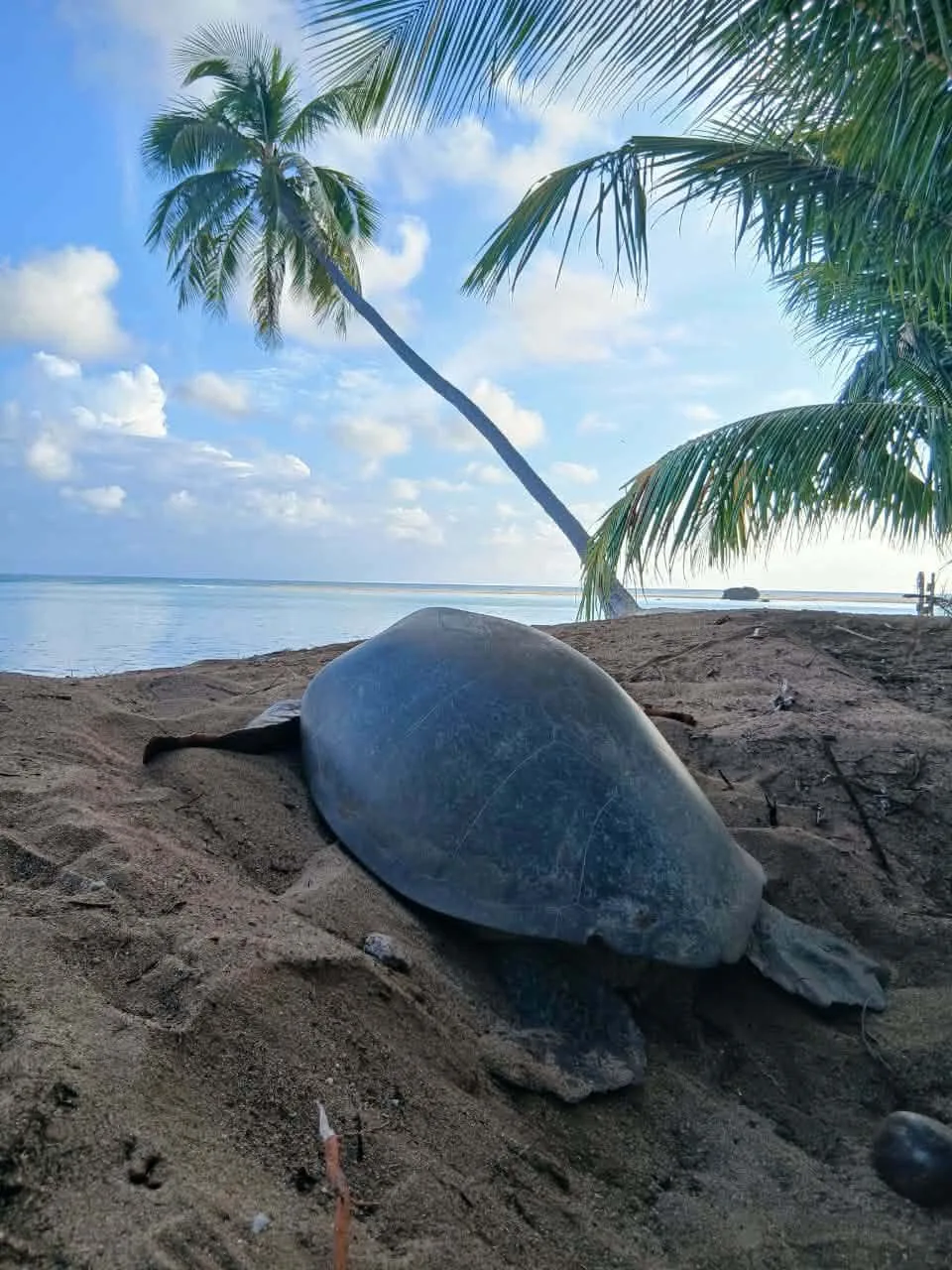
Projekt Chráníme mořské želvy podporuju dlouhodobě a moc rád sdílím, co se za poslední měsíce podařilo. Hana V. Svobodová poslala želví zpravodaj za květen až srpen 2026 a je v něm radost, naděje i pár věcí, které bolí. Všechny fotky v článku jsou přímo z terénu.
Papua: konečně na místě, kterému pomáháme třetí rok
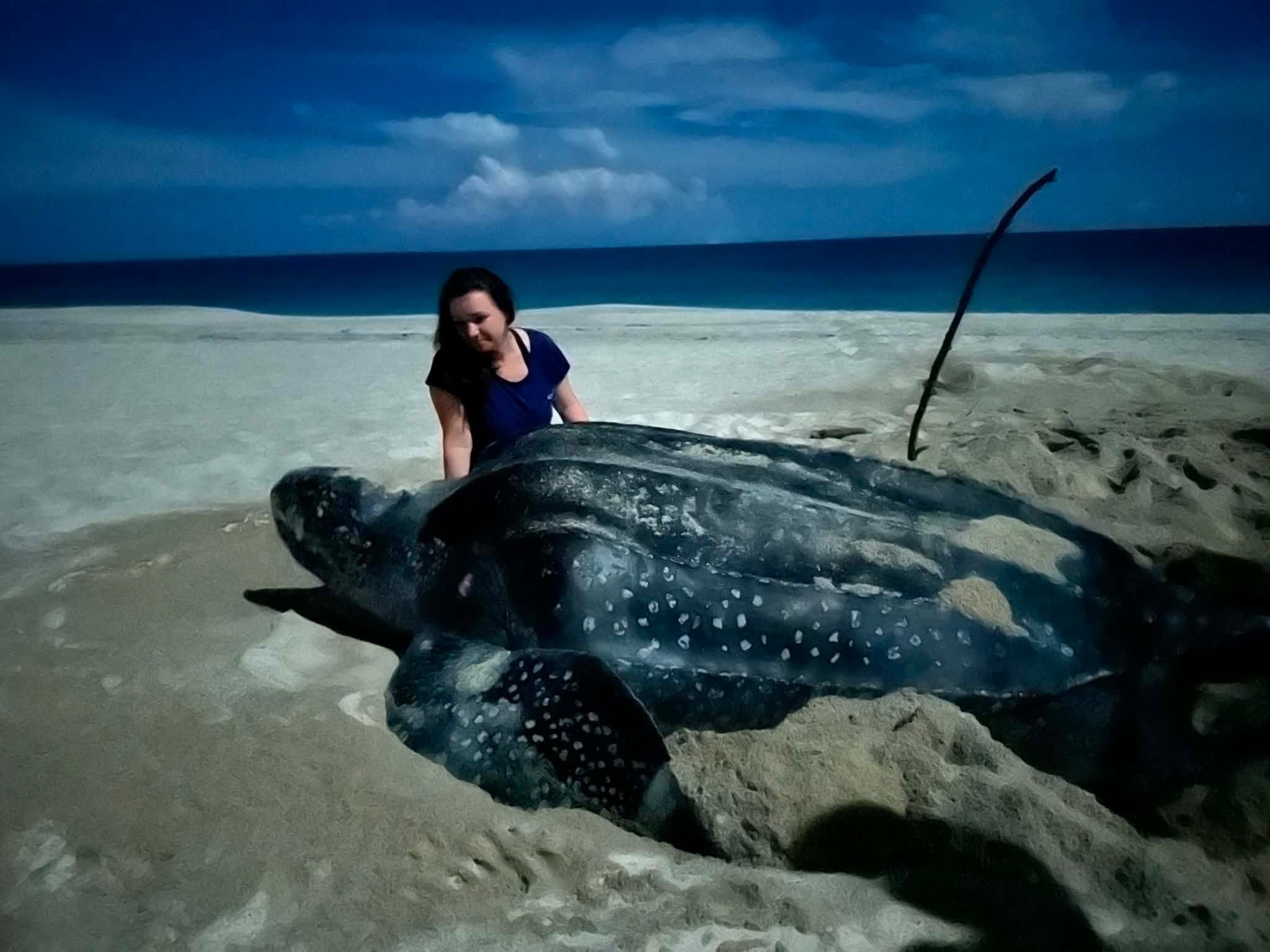
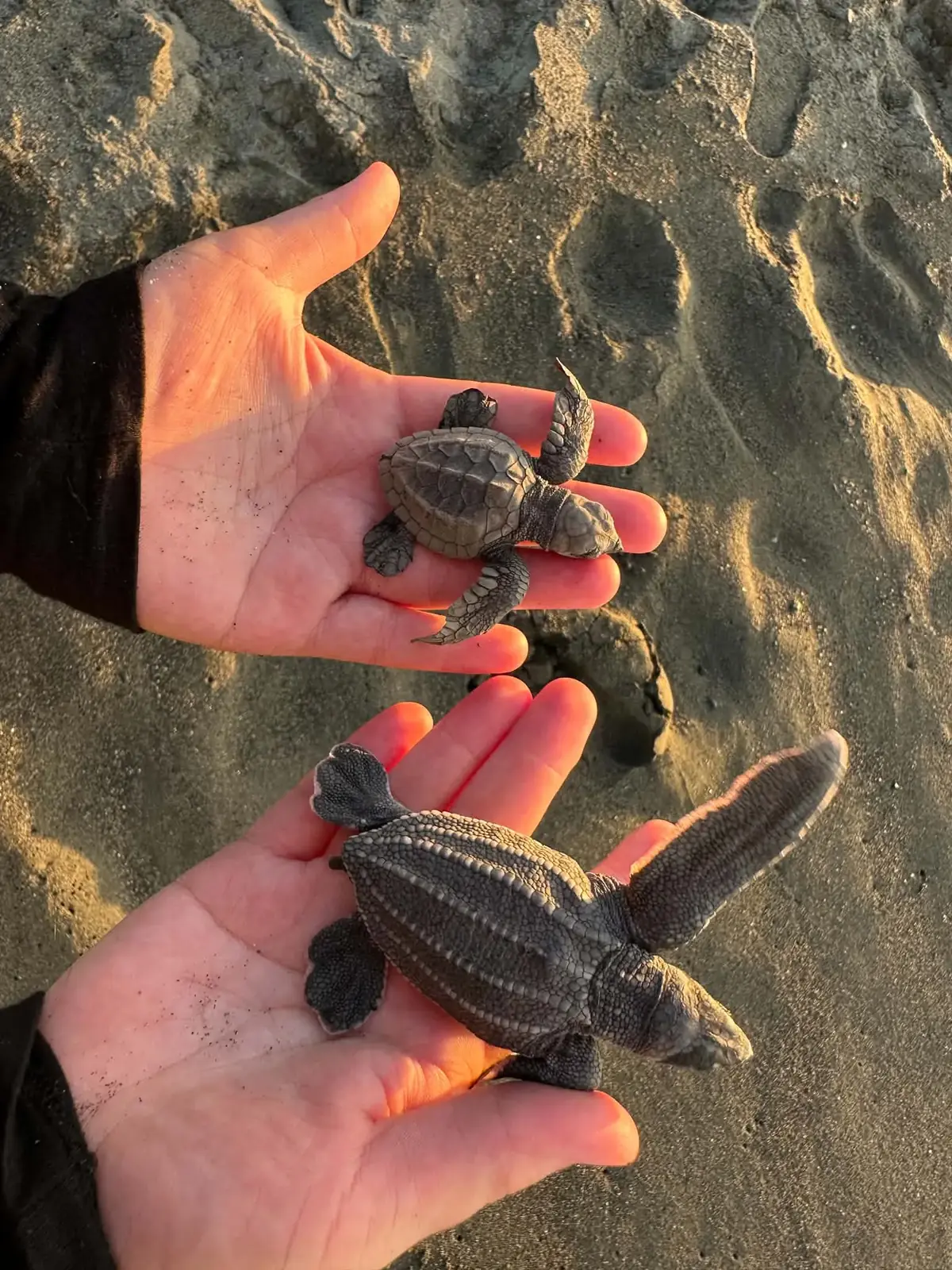
Cesta na Papuu byla největším zážitkem i největší výzvou. V terénu to bylo jen 16 dní, cesta ale vypadala takto: 4 vlaky, 5 letadel, 5 hodin autem a 3 lodě. Na konci byly pláže, kde se kromě karet chrání i kožatky velké - kriticky ohrožené kolosy. Hana viděla samice s krunýřem dlouhým 160 cm a širokým 112 cm a také jejich mláďata, přibližně dvakrát větší než mláďata karet.
Ještě větší radost ale měla z osobního setkání s kolegy - lidmi z univerzity UNIPA Papua a místními ochranáři, se kterými se doteď potkávala jen na dálku. Je to velmi dobře vedený projekt s jasným cílem, kontrolou a vědecky podloženou metodikou: snůšky se chrání před teplem i predátory, vše se přesně zaznamenává.
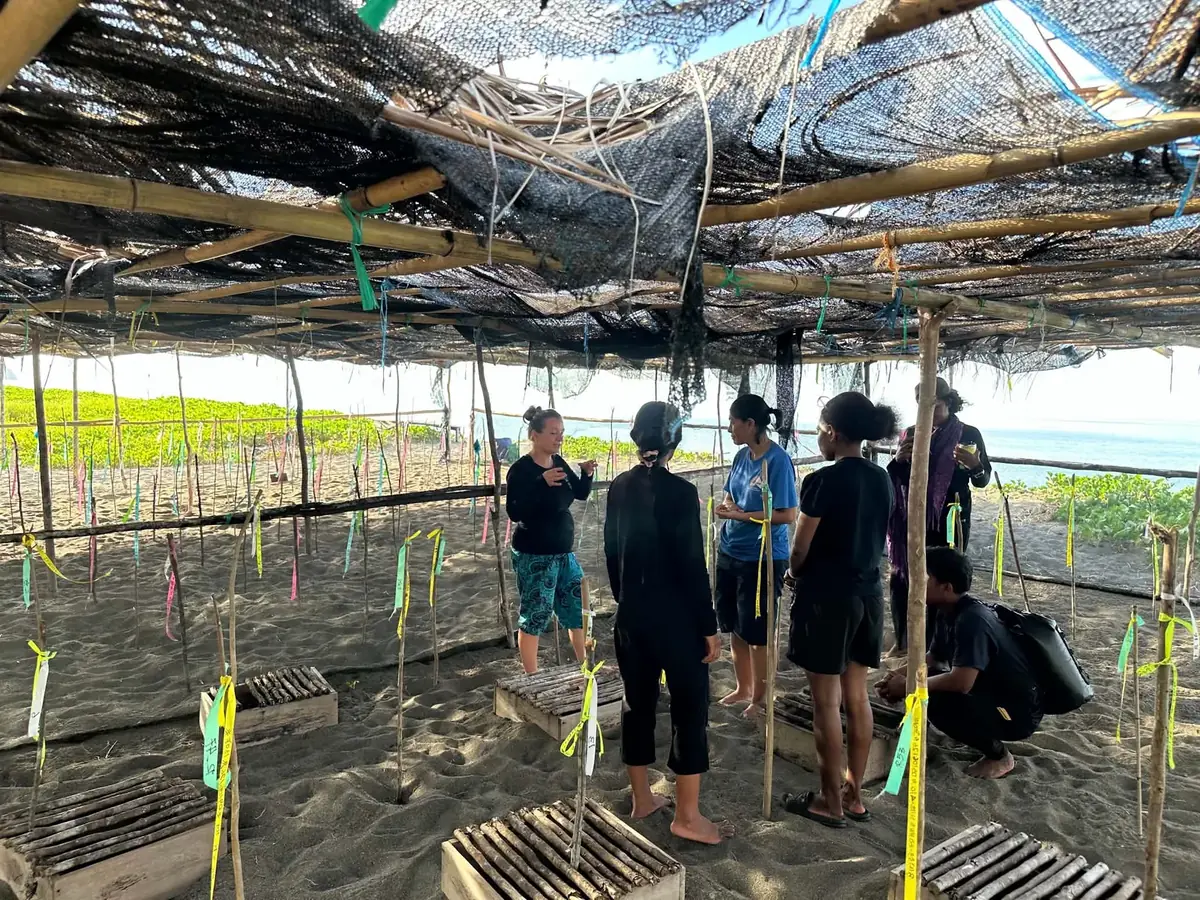
Velkou výzvou zůstává práce s místní komunitou. Univerzita má v pěti vesnicích devět vzdělávacích domků, přesto je před nimi ještě hodně práce. Ve vesnici Waw-wayah se našly dvě mrtvé želvy zabité kvůli masu na oslavu v kostele a ve městě Manokwari se na trhu prodávaly želví náramky. Ochrana funguje, změna myšlení lidí je ale dlouhá cesta.
Bali: když se ze záchrany stane past na turisty
Na cestě zpět se tým dva dny zdržel na Bali - kvůli natáčení dokumentu o takzvaných záchranných centrech pro želvy, která ve skutečnosti fungují spíš jako turistické pasti. Tisíce malých želv čekaly na turisty v bazénech, k tomu desítky dospělých želv, kterým vůbec nic nebylo, a želví vejce byla po celou dvouměsíční inkubaci v kýblech, zasypaná jen asi centimetrem písku.
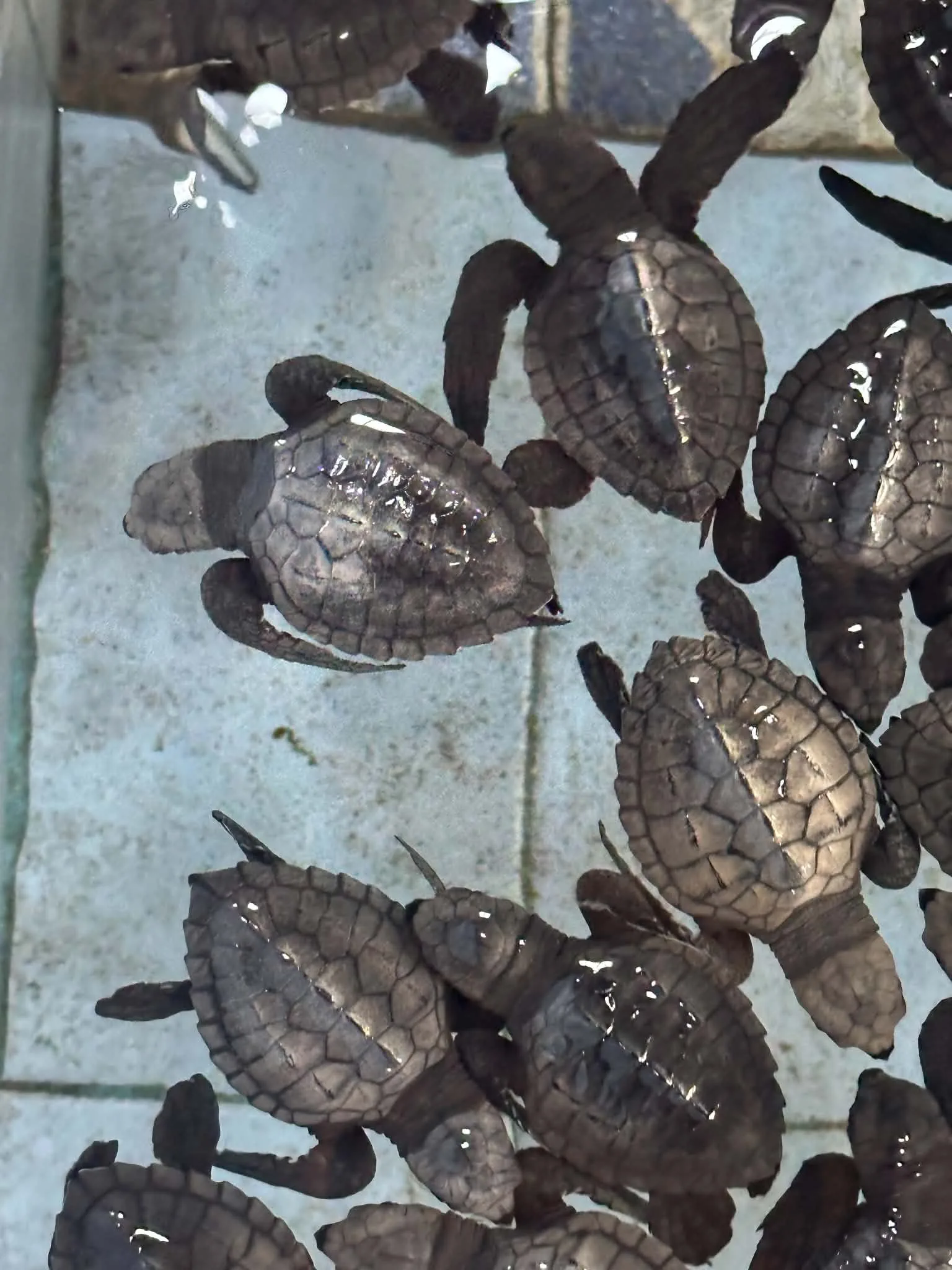
Dávej si na podobná místa pozor. Pokud se chceš podívat na želvy, zjisti si předem, jak centrum funguje, a projdi si fotky. Když uvidíš želvy vystavené v bazénech, nechoď tam - tvoje peníze tam podporují přesný opak ochrany. Na Bali bohužel stále žádná opravdová ochrana želv neexistuje.
Sulawesi: ochranáři pokračují navzdory problémům
Z Bali zamířila Eva na západ Sulawesi, kde se sešla se třemi podporovanými organizacemi. Vyhodnotili sezonu, zopakovali metodiku a probrali komplikace. A ty jsou někdy neuvěřitelné: pět metrů pod hladinou někdo ukradl těžkou železnou konstrukci na podporu obnovy korálů, aby ji za pár rupií odvezl do sběrného dvora. Konstrukce se našla, zloděj ne. Na východě Sulawesi zase ochranáři z organizace Alliance for Tompotika Conservation postavili novou chráněnou část pláže.
Borneo: nová loď znamená bezpečí
Z jižního Bornea přišla skvělá zpráva. Díky platformě Vakovako se podařilo vybrat 100 % z cílové částky 80 000 Kč na novou loď pro ochranáře. Ti žijí na neobydleném ostrově - loď jim umožňuje střídat se, dovážet zásoby a hlavně zajišťuje bezpečí. Když se něco stane a loď nemáš, nemáš jak odjet. Ochranáři si navíc prakticky znovu postavili svůj domek.
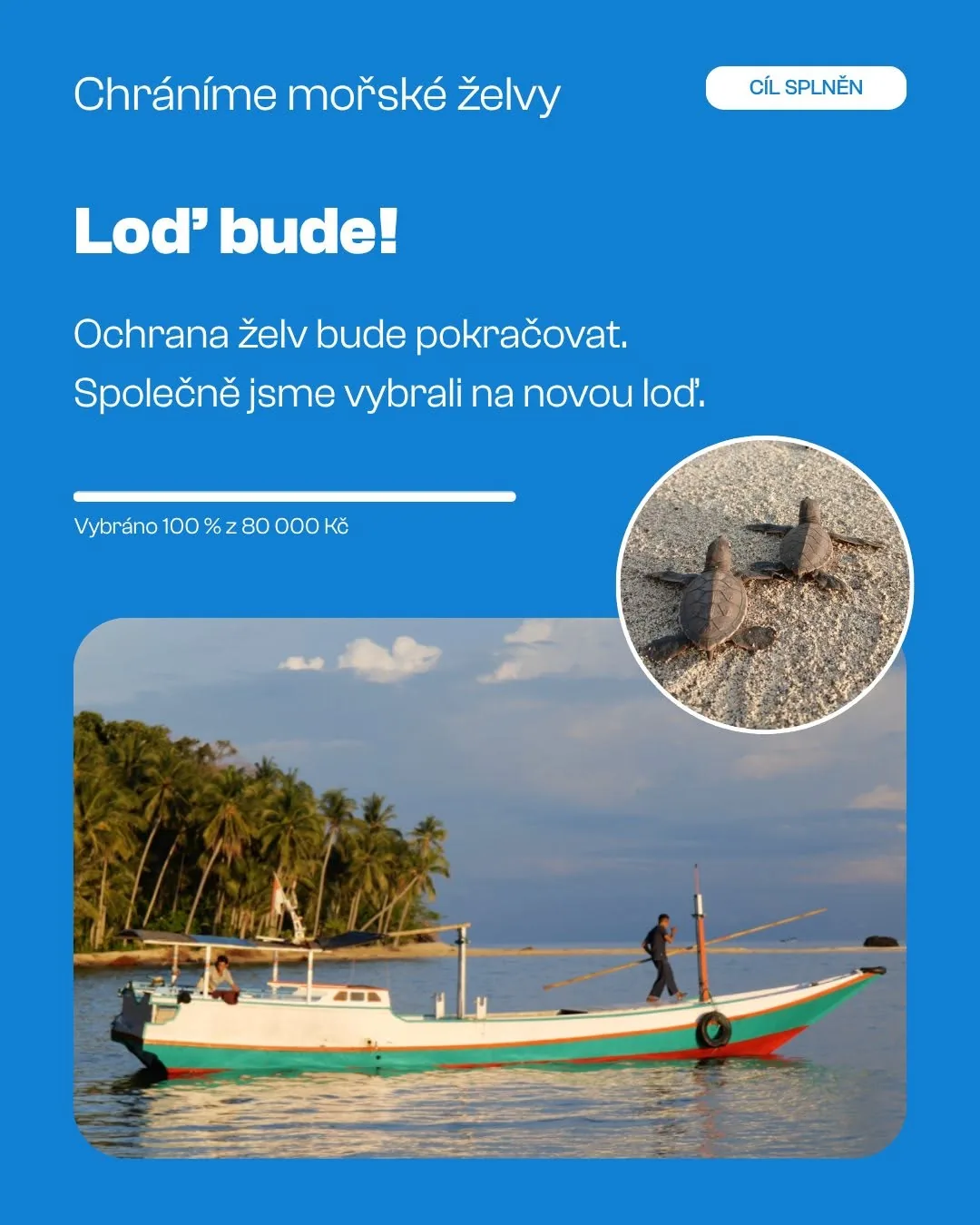
Pokračuje i vzdělávání dětí. Na jižním Borneu probíhají každý měsíc tři vzdělávací programy, a to vedle náročné práce na pláži, kdy ochranáři přenášejí do bezpečí i 15 hnízd za noc. Na východě Bornea, na ostrově Maratua, je teď dobrovolnice Jana - učí děti angličtinu i o želvách, sbírá s nimi odpadky a povídá si s nimi o ochraně ostrova. Navštívila i Sablona, který vede řemeslné workshopy a učí lidi dělat suvenýry z kokosu místo ze želvoviny.
Srí Lanka: nové líhniště a 60 000 mláďat
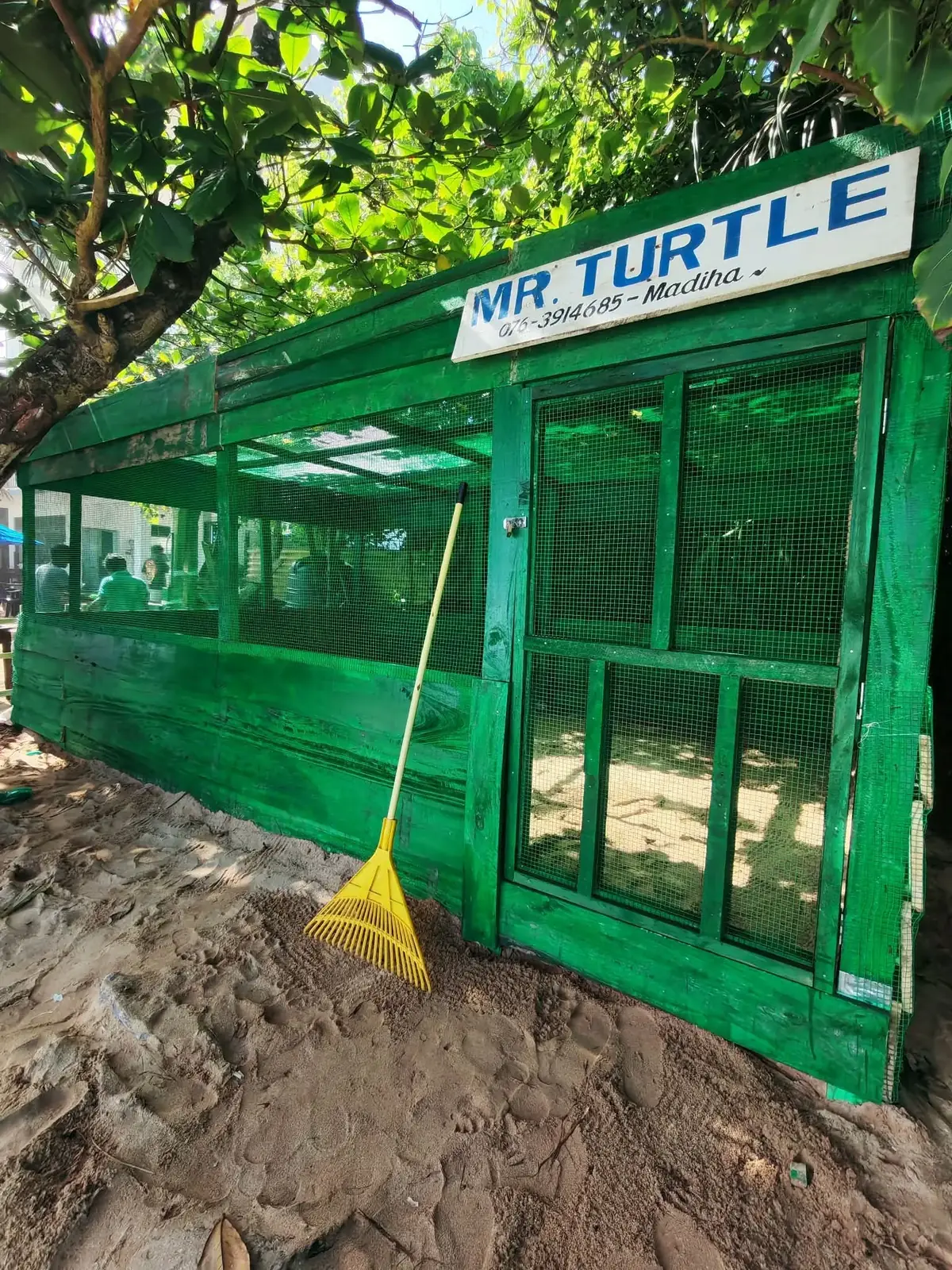
Ochranář Mahesh dokončil stavbu nového chráněného líhniště na další pláži a letos už vypustil neuvěřitelných 60 000 želvích mláďat. Za tím číslem jsou tisíce hodin práce, noční hlídky, přesouvání hnízd a ochrana před predátory i pytláky. Skvělou práci odvádí také Gayan, který denně hlídá pláže u Dickwely.
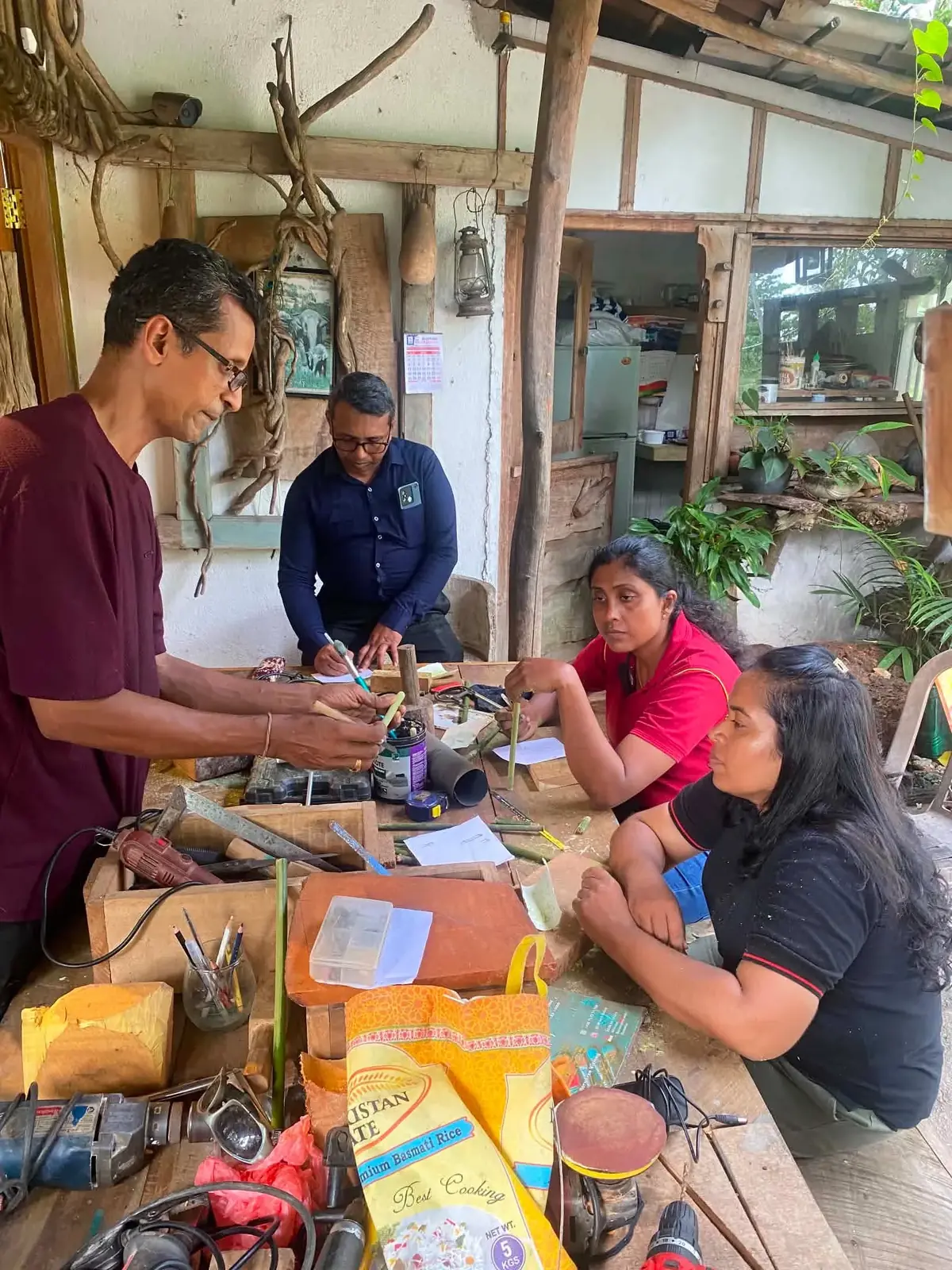
Na Srí Lance proběhl také workshop na výrobu bambusových brček. Channa Suraweerra z Wildlife Department chce, aby se vybraní zruční úředníci naučili brčka vyrábět a předávali dovednost dál místním lidem. Cílem je, aby se bambusová brčka prodávala třeba návštěvníkům národních parků. Malá věc s velkým dopadem - a konečně se z plánu stává skutečnost.
Bohužel přišel i velmi smutný příběh. Ochranáři Malithovi na jihu Srí Lanky se v chráněné části pláže v noci vylíhla mláďata. Ještě před svítáním někdo udělal v oplocení díru a želvičky ukradl. Byly prodány manažerovi resortu, který je pak prodával turistům, aby si je během dne vypustili do moře. Znovu se ukazuje, jakou roli mají turisté: když přestanou platit za špatné zacházení se želvami, přestane se želvy vyplácet krást.
A co se dělo v Česku?
Hodně věcí. Hana byla v červnu hostem Dobrého rána v České televizi, vyšel rozhovor v podcastu Vinohradská 12 a další rozhovory. Doporučuju i článek v časopise Fórum ochrany přírody, který se na projekt dívá z úplně nových úhlů. V Plzni proběhl koncert Pro želvy.
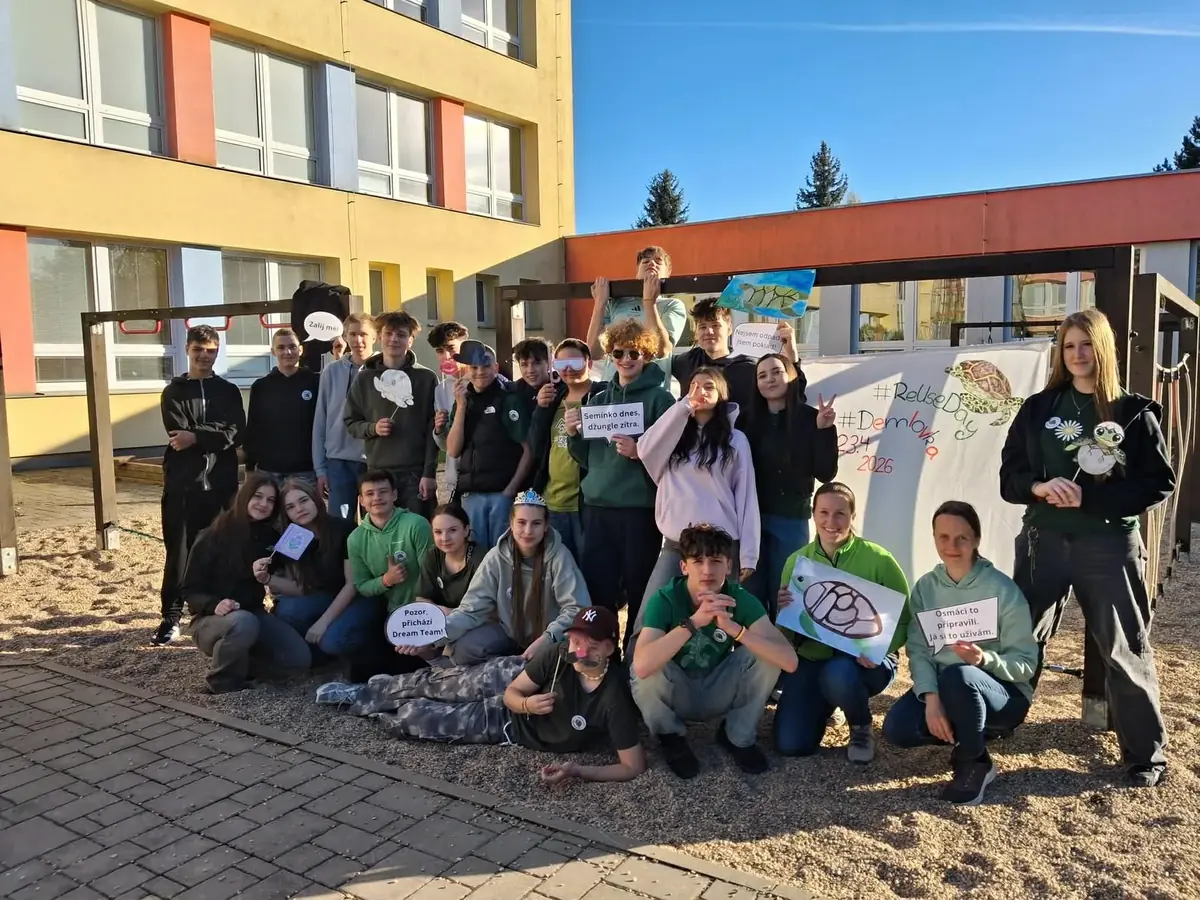
Největší radost je ale ze škol. Na ZŠ T. G. Masaryka v Moravských Budějovicích a na ZŠ Comenius v Hradci Králové děti připravovaly Svačiny pro želvy, ZŠ Lidická v Bílině uspořádala Želvafest, na ZŠ Velké Poříčí měli Běh pro želvy, holky z keramického kroužku ze ZŠ V. Hejný v Červeném Kostelci vyrobily keramické náhrdelníky, osmáci na ZŠ Demlova v Jihlavě organizovali ReUse Day a želvám pomohli i žáci ZŠ Branka u Opavy, dokonce ve školní družině. Děti dělají konkrétní věci, zažívají úspěch a vidí, že pomoct jde. To dává naději.
Někdo hlídá pláž, někdo staví plot, někdo přesouvá hnízda, někdo učí děti, někdo opravuje loď, někdo vyrábí bambusová brčka a někdo pošle sto korun. Všechno to dohromady je ochrana přírody - a přesně proto část výtěžku z mých edicí posílám na ochranu mořských želv.